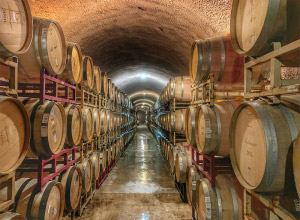
Unveiling the World of Whisky: A Guide to Bourbon and Scotch for Enthusiasts
Most people lump whisky, bourbon, and scotch together, but that’s a mistake. Each one tells a different story through its ingredients, where it’s made, and how it’s aged. If you want to know the real difference between whisky and bourbon—or how scotch stands apart—this guide breaks it down so you can pick the one that fits your taste. Learn more about the key distinctions at Whiskey Masters.
Understanding the Whisky Family
What is Whisky?
Whisky serves as the umbrella term for all distilled spirits made from fermented grain mash and aged in wooden barrels. It’s the family name that encompasses both bourbon and scotch.
Key characteristics of whisky include:
-
Made from various grains (barley, corn, rye, or wheat)
-
Aged in wooden barrels, typically oak
-
Usually contains 40% ABV or higher
-
Produced worldwide in countries like Scotland, Ireland, USA, Japan, and Canada
Types of Whisky
Bourbon: America’s Sweet Spirit
Bourbon is a distinctly American type of whisky that follows specific legal requirements.
What makes bourbon special:
-
Must be produced in the United States
-
Requires at least 51% corn in the grain mash
-
Must be aged in new, charred oak barrels
-
Cannot contain additives
Flavor profile:
-
Sweet vanilla notes
-
Rich caramel undertones
-
Honey-like sweetness
-
Pleasant oak character
The high corn content gives bourbon its characteristic sweetness, making it an excellent starting point for whisky beginners.
Scotch: Scotland’s Complex Creation
Scotch whisky comes exclusively from Scotland and follows traditional methods that create its distinctive character.
Defining features of Scotch:
-
Produced and matured entirely in Scotland
-
Primarily made from malted barley
-
Aged for a minimum of three years
-
Often matured in used barrels (former bourbon or sherry casks)
Flavor profile:
-
Can be smoky, particularly Islay Scotch
-
Often has peaty characteristics
-
Generally drier than bourbon
-
Complex, layered flavors with earthy notes
Scotch tends to be less sweet than bourbon, with more nuanced flavors that can include smokiness from the peat used in the malting process.
Choosing Your Whisky
Finding Your Perfect Match
If you’re new to the world of whisky:
-
Start with bourbon for its approachable sweetness and smooth character
-
Try a Highland or Speyside Scotch if you want to explore Scotch without intense smokiness
-
Sample small pours at bars or attend tastings before investing in full bottles
Quick Comparison Guide
|
Feature |
Whisky |
Bourbon |
Scotch |
|---|---|---|---|
|
Category |
Umbrella term |
Type of whisky |
Type of whisky |
|
Origin |
Worldwide |
USA only |
Scotland only |
|
Main Grain |
Varies |
51%+ corn |
Primarily malted barley |
|
Barrels |
Oak |
New charred oak |
Often used oak |
|
Taste Profile |
Varies widely |
Sweet, smooth |
Can be smoky, complex |
Enjoying Your Whisky
Serving Suggestions
-
Try whisky neat first to appreciate its true character
-
Add a few drops of water to open up the aromas and flavors
-
Serve in a tulip-shaped glass to concentrate the aromas
-
Allow the whisky to breathe for a few minutes before sipping
Whether you prefer the sweet caramel notes of bourbon or the complex, sometimes smoky character of Scotch, the world of whisky offers something for every palate.
Starting Your Collection
Must-Try Options
For bourbon beginners:
-
Buffalo Trace
-
Maker’s Mark
-
Woodford Reserve
For Scotch beginners:
-
Glenfiddich 12 Year
-
Glenmorangie Original
-
Highland Park 12 Year
No matter which style you choose, taking time to understand the differences between whisky types will enhance your appreciation of this remarkable spirit.
Visual Guide to Whisky
Whisky Characteristics
Whisky Basics
-
Grains: Different types like barley, corn, rye, or wheat.
-
Aging: Always aged in wooden barrels, typically oak.
-
Global Production: Made in several countries globally.
Bourbon Specifics
-
Made in USA: Follows strict legal requirements.
-
Corn-Based: At least 51% corn in its mash.
-
Flavor: Notes of vanilla, caramel, and oak.
Scotch Characteristics
-
Origin: Exclusively from Scotland.
-
Aging Process: Must be aged for at least three years.
-
Flavor Profile: Can be smoky and peaty, generally drier.
How to Serve Your Whisky
Neat or with Water
-
Serve Neat: To taste its authentic essence.
-
Add Water: A few drops can enhance aromas.
-
Glassware: Use a tulip-shaped glass to concentrate scents.
Starting Your Whisky Collection
Top Picks for Beginners
-
Bourbon: Buffalo Trace, Maker’s Mark, Woodford Reserve.
-
Scotch: Glenfiddich 12 Year, Glenmorangie Original, Highland Park 12 Year.
These images and tips will help elevate your appreciation and enjoyment of whisky, whether you’re savoring it alone or curating a collection.