
Chartreuse is one of those spirits that stops a conversation the moment someone orders it. It’s bright green or golden yellow, intensely herbal, and honestly a bit mysterious. But here’s the thing: it’s not as complicated as it seems, and understanding it opens up a whole world of cocktails you’ll actually want to make.
Most people encounter chartreuse for the first time in a bar and wonder what they’re actually tasting. Alpine plants? Flowers? A hint of honey? All of the above. What makes this French liqueur so captivating is that no two people taste it exactly the same way, and that’s entirely by design. The recipe is genuinely secret, locked away in a monastery for nearly 300 years. This guide will help you understand chartreuse, taste it properly, and find the right bottle to start with.
What Exactly Is Chartreuse?
Chartreuse is a French herbal liqueur made from a neutral spirit base infused with 130 different plants, herbs, flowers, and spices. That’s not a typo. One hundred and thirty. The exact recipe is known only to three monks at any given time, and it’s been that way since 1737.
You’ll find it in two main colours: green chartreuse, which is higher in alcohol and more intensely herbal, and yellow chartreuse, which is sweeter, lower in alcohol, and has softer honey and vanilla notes. Both are distinctive and complex. Neither tastes like anything else you’ve probably had.
It’s not a drink you typically pour neat and sip casually like a whisky. Instead, chartreuse is best used as a key ingredient in cocktails, where its powerful herbal character plays beautifully with other spirits and flavours. It’s a supporting actor that quietly steals every scene.
Where Does Chartreuse Come From?
Chartreuse was created in 1737 by French Carthusian monks at the Grande Chartreuse monastery in the French Alps, near Grenoble. The monks were given a manuscript describing an herbal elixir recipe, and they perfected it over time into what we know today. For centuries, making chartreuse was their mission and their livelihood.
The spirit takes its name directly from the monastery itself. The monks initially made small quantities as a medicinal tonic, but by the 1800s, chartreuse was being produced commercially and exported across Europe. During the French Revolution and various political upheavals, production was sometimes interrupted, but the monks always returned and refined their craft.
Today, chartreuse is still made at the monastery in Voiron, France, under the same Carthusian order. Production remains limited and traditional, which is why genuine chartreuse carries a certain gravitas in the spirits world.
How Is It Made?
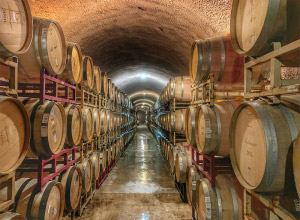
The production process is deliberately opaque, but we know the general outline. It begins with a neutral alcohol base, usually grape-based, which is then macerated with 130 different botanicals. Maceration means the herbs, plants, and spices soak in the alcohol for an extended period, allowing their flavours and aromas to transfer into the spirit.
After maceration, the liquid is distilled. This is where precision matters enormously. The distillation process separates the finest herbal essences from the base spirit, concentrating the flavours while removing harsh or undesirable compounds. The result is a concentrated herbal extract that’s then blended back with more neutral spirit to reach the desired alcohol level and flavour profile.
Finally, chartreuse is aged. Green chartreuse spends less time ageing, while yellow chartreuse rests longer and often in oak, which gives it that golden hue and softer character. The entire process is slow, intentional, and hasn’t changed in fundamental ways for hundreds of years. No shortcuts. No artificial flavourings. This is why authentic chartreuse costs what it does and why it tastes the way it does.
The Main Styles and Varieties
Green Chartreuse. At 110 proof, this is the stronger, more herbally intense version. It’s dry, grassy, and complex. You’ll detect notes of pine, mint, anise, and citrus if you really pay attention. This is the spirit bartenders reach for when they want chartreuse to make a statement.
Yellow Chartreuse. Sweeter and lower in alcohol (80 proof), yellow chartreuse leans into honey, vanilla, and saffron notes while still maintaining herbalism. It’s more approachable for people new to the spirit and works beautifully in certain cocktails where you want sweetness balanced with herbal complexity.
VEP (Voiron Élixir Propre). This is a premium version of green chartreuse, aged longer and in limited quantities. It’s richer, more refined, and significantly more expensive. You don’t need to know about VEP right now, but it exists if you ever want to go deeper.
How to Taste and Enjoy It
Chartreuse is almost never consumed neat. Instead, it’s a cocktail ingredient, where it adds depth and herbal character to drinks. That said, if you do want to taste it straight, use a small glass, add a single cube of ice, and let it sit for a minute. The cold and the ice will open up different aromatic layers.
When you first smell it, you’re likely to notice something green and slightly floral. That’s your first clue about the 130 botanicals at work. Take a small sip and let it sit on your tongue for a moment before swallowing. You’ll notice the alcohol warmth, followed by waves of herbal flavour: mint, anise, citrus, honey (depending on which version you’re tasting). The finish is long and dry with green chartreuse, sweeter with yellow.
The magic happens when chartreuse is mixed. A small measure (usually just 0.5 ounces) transforms an entire drink. It adds complexity without overwhelming, herbalism without bitterness, and a subtle sweetness that balances other spirits.
What to Try First
The Last Word. Equal parts gin, green chartreuse, and lime juice with a dash of maraschino liqueur. This is the canonical chartreuse cocktail. If you’ve never tasted chartreuse before, order this in a bar or make it at home. It’s herbally bright, balanced, and it shows you exactly why bartenders care so much about this spirit.
Chartreuse Smash. Bourbon, yellow chartreuse, lemon juice, and simple syrup with fresh mint. This is warming and accessible, perfect for a winter evening in New Zealand. The yellow chartreuse’s sweetness plays beautifully with the bourbon’s vanilla notes.
Bijou Cocktail. Equal parts gin, sweet vermouth, and green chartreuse. This is an old, elegant drink that’s suddenly having a moment again. It’s herbal, slightly sweet, and sophisticated without pretension.
Straight comparison. Buy both green and yellow chartreuse and taste them side by side with ice. You’ll immediately understand the difference. Yellow is sweeter and more approachable. Green is more challenging and more rewarding if you’re willing to meet it halfway.
Frequently Asked Questions
Is chartreuse the same as blue curacao or other herbal liqueurs?
No. Blue curacao is made from dried orange peel and is much simpler in flavour profile. Chartreuse is far more complex with 130 botanicals. There are other herbal liqueurs out there (Bénédictine, Drambuie, Fernet-Branca), but chartreuse is unique in its intensity and the secrecy of its recipe. If you’re curious about alternatives for certain cocktails, check our guide to alternatives for winter drinks.
Which version should I buy as my first chartreuse?
Start with yellow chartreuse. It’s sweeter, easier to taste on its own, and more forgiving in cocktails. Once you understand what you’re tasting, green chartreuse will make far more sense. Both are excellent, but yellow is the gentler introduction.
Can I use chartreuse in mocktails?
No, chartreuse is an alcoholic spirit, so it’s not appropriate for mocktails. However, you can achieve similar herbal complexity in a non-alcoholic drink using fresh herbs like basil, tarragon, or mint combined with herbal bitters (which are typically low-alcohol or alcohol-free versions).
Where can I buy chartreuse in New Zealand?
Liquor Club stocks quality chartreuse for online delivery. You can browse their gin and spirits section to find both green and yellow versions. Winter is actually a perfect time to order spirits online in New Zealand, as the cooler weather means no risk of bottles arriving damaged by heat.
Liquor Club stocks New Zealands finest wines, spirits and cocktail ingredients. Browse our full range and enjoy quick delivery. Shop online at https://liquorclub.co.nz or call 09 5900300.