New Zealand produces some of the most distinctive sparkling wines in the Southern Hemisphere, and the gap between local bubbles and imported Champagne has never been smaller. That’s not marketing talk. It’s what keeps happening at blind tastings when Marlborough méthode traditionnelle goes up against bottles costing three times the price. Spring in New Zealand is when this matters most, with garden gatherings, long weekends, and racing season all arriving at once, and good sparkling wine suddenly feels less like a luxury and more like a reasonable idea.
This guide covers the sparkling wine brands worth knowing, from the local producers doing genuinely exciting work to the imported houses that have earned their reputation. Whether you’re new to bubbles or you already have opinions about dosage levels, there’s something useful here.
New Zealand Sparkling Wine Brands Making the Most Noise
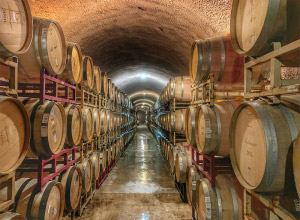
Marlborough is the obvious starting point. The region’s cool nights and long ripening season produce grapes with the kind of high natural acidity that makes great sparkling wine. Pinot Noir and Chardonnay dominate, and the best local producers are using the méthode traditionnelle process, which means secondary fermentation happens in the bottle, the same technique used in Champagne. The result is fine, persistent bubbles and real complexity rather than the soft froth you get from cheaper carbonation methods.
Pelorus from Cloudy Bay was one of the wines that put New Zealand sparkling on the map internationally, and it still delivers. Hunter’s Miru Miru is another Marlborough standby with genuine finesse. But the field has grown considerably. Smaller producers across Hawke’s Bay, Nelson, and Central Otago are experimenting with single-vineyard expressions and extended lees ageing, which adds that appealing brioche and toasted nut character to the glass.
For those exploring the full range of what New Zealand has to offer, finding a reliable online wine store makes a real difference. The local sparkling category has expanded quickly, and not every bottle makes it onto bottle shop shelves.
When Champagne Is the Right Call
There are occasions where nothing else will do. Champagne carries a specific kind of gravity, partly because of what it is and partly because of what people understand it to mean when you walk in with it. The great houses have centuries of blending expertise behind them, and you can taste it. The consistency across vintages is remarkable.
Moët & Chandon is the most recognised name in the category for good reason. The Moet & Chandon Mucha Gold is a bold, celebratory expression of the house style, designed for moments that call for something with presence. For those who prefer a rosé Champagne, Veuve Clicquot Rosé is one of the benchmarks of the style, showing red berry fruit, a firm biscuity backbone, and the kind of structure that holds up well at a spring table rather than just disappearing into the background.
These aren’t everyday pours for most people, but they’re worth understanding as a reference point. Once you’ve tasted what extended lees contact and precise blending can produce, it sharpens your palate for everything else in the sparkling category.
Pairing Sparkling Wine With NZ Spring Occasions
Sparkling wine is more food-friendly than most people realise. The acidity cuts through fat beautifully, which makes it a natural match for anything coming off a barbecue, from pork belly to grilled snapper. Oysters from the Marlborough Sounds or Coromandel are one of the classic pairings for a reason. The salinity of the shellfish and the mineral edge of a good méthode traditionnelle meet in a very satisfying way.
Lighter styles work well with Asian-influenced dishes too, things like Vietnamese rice paper rolls or a Thai green curry, where the bubbles and acidity give relief from heat and richness. If you want to think more carefully about what to serve alongside your bottles, the food pairings section has ideas worth browsing. And if you’re sending sparkling wine as a gift for a spring occasion, it travels better than most people assume. Shipping alcohol as a gift in NZ is more straightforward than it used to be.
For those who enjoy mixing, a bottle of good sparkling wine also opens up options in the cocktails space. A classic Aperol spritz or a French 75 both start with quality bubbles, and the base wine matters more than most recipes admit.
Key Takeaways
- New Zealand’s Marlborough region leads local sparkling wine production, using méthode traditionnelle for genuine complexity and fine bubbles
- Extended lees ageing is what gives premium sparkling wines that brioche and toasted nut character worth looking for
- Champagne houses like Moët & Chandon and Veuve Clicquot remain useful benchmarks for understanding quality in the sparkling category
- Spring in New Zealand is peak season for sparkling wine, with outdoor dining, long weekends, and events all aligning
- Sparkling wine pairs well with seafood, barbecue, and lighter Asian-inspired dishes
- Liquor Club stocks both local and imported sparkling options worth exploring
Frequently Asked Questions
What makes New Zealand sparkling wine different from Champagne?
The process can be identical, and the best NZ producers use the same bottle-fermentation method as Champagne. The difference is terroir and tradition. Marlborough’s climate produces high-acid grapes with a distinct citrus and green apple profile. Champagne’s cooler, chalkier conditions create a different kind of mineral tension. Neither is objectively better. They’re different expressions of a similar technique.
Which grape varieties are used in New Zealand sparkling wine?
Pinot Noir and Chardonnay dominate, just as they do in Champagne. Pinot Meunier appears occasionally. Some producers are experimenting with Pinot Gris and aromatic varieties for non-traditional styles, particularly in Nelson and Hawke’s Bay.
How should I store sparkling wine before opening it?
Horizontal storage in a cool, dark place works well for bottles you’re keeping for more than a few weeks. For short-term storage, upright in a fridge is fine. Avoid temperature fluctuations, which can affect the seal and the bubbles.
Is New Zealand sparkling wine suitable as a gift?
It’s one of the better gift options in the wine category. It signals celebration without being generic, and local bottles often carry more novelty for recipients who receive a lot of wine. A méthode traditionnelle from Marlborough alongside a Champagne from one of the major houses makes a genuinely interesting comparison pair for anyone curious about the category.
Liquor Club stocks New Zealands finest wines, spirits and cocktail ingredients. Browse our full range and enjoy quick delivery. Shop online at https://liquorclub.co.nz or call 09 5900300.