Paying more for a bottle doesn’t automatically mean you’re getting something better. But understanding what separates a genuinely premium drink from an expensive one changes how you shop, how you pour, and how much you actually enjoy what’s in your glass. That’s the real point of this guide.
Whether you’re building a home bar, choosing a gift, or just curious about what all the fuss is over a particular producer or region, the world of premium spirits, wine and champagne is more accessible than it looks. There’s no need for specialist knowledge or a cellar full of dusty bottles. A little context goes a long way.
What Makes a Premium Wine Worth the Price?
Premium wine comes down to three things: where the grapes are grown, how they’re made, and how long they’ve had to develop. Terroir is the French term for the idea that soil, climate, and geography leave a fingerprint on the wine. It sounds abstract until you taste a Pinot Noir from Central Otago for the first time and find something you won’t get anywhere else on earth, that combination of dark cherry, dried herbs, and a savoury edge that comes straight from the schist soils and cold mountain air.
The Rockburn Central Otago Pinot Noir is a strong example of this. Rockburn farms in Gibbston Valley, one of the coolest and most altitude-exposed sub-regions in Otago, and the wines show it. Structure, complexity, and real regional character. For a broader, more approachable style, Selaks TC Pinot Noir delivers reliable quality from one of New Zealand’s most established producers. Explore more options across the wine range to find what suits your palate.
Rosé often gets dismissed as a warm-weather drink, but that’s a mistake. A well-made rosé has genuine depth. Man O War Pinque Rose from Waiheke Island is a good case in point. Man O War farms one of the most dramatic vineyard sites in New Zealand and brings that intensity into their rosé. It works just as well alongside a winter roast as it does on a summer deck.
Understanding Premium Champagne and Sparkling Wine
Champagne is one of the most legally protected wine categories in the world. It can only come from a defined region in northeastern France, and the method of production, secondary fermentation in the bottle, is what creates those fine, persistent bubbles. You’re paying for geography, regulation, and significant labour. But you’re also paying for something that genuinely tastes different from most sparkling alternatives.
Piper Heidsieck Brut is one of the great non-vintage Champagnes at this tier. Founded in 1785 and famously associated with Marie Antoinette, Piper Heidsieck produces a Brut that’s generous and creamy with fresh citrus underneath. It’s a style that works as an aperitif but holds up through a full meal. For a winter dinner party in New Zealand, a bottle of Piper opened before the main course sets a strong tone without overcomplicating things.
Premium Spirits: Whisky, Gin, and the Wider World
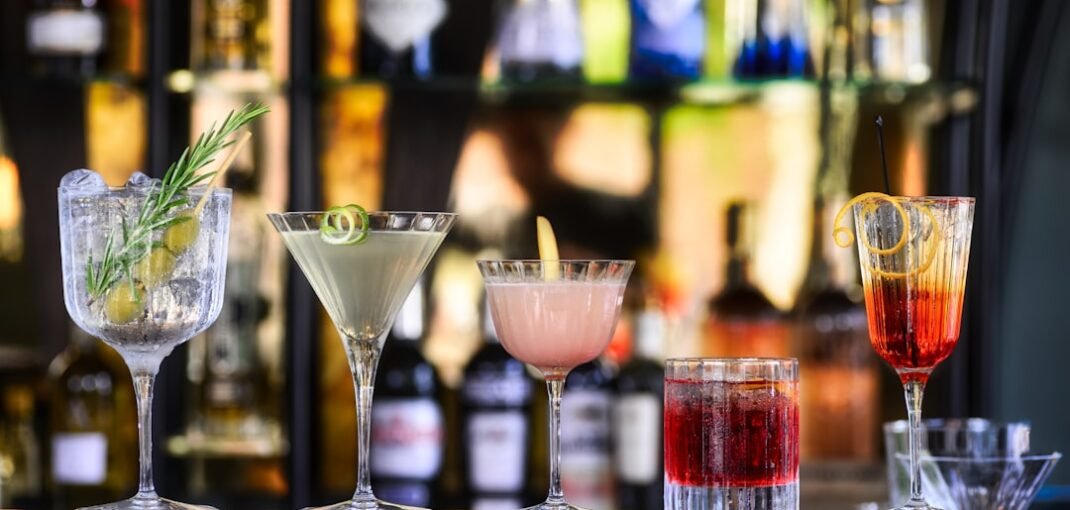
The gin and spirits category has expanded considerably over the past decade, and premium now covers everything from aged single malt Scotch to craft New Zealand gin. If whisky is your interest, the Definitive Guide to Single Malt Whisky is the best place to start. It covers regions, flavour profiles, and what to look for at every budget.
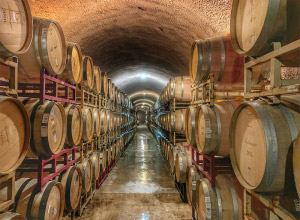
For something warming and winter-appropriate, port is consistently underrated. A well-aged Tawny develops nutty, dried fruit characteristics through oxidative ageing in small barrels over years, sometimes decades. Sandemans 10YO Tawny is aged a full decade and shows orange peel, roasted almond, and a warm finish that suits the cold months well. Grahams Fine Tawny Port is a lighter style, and Taylors Fine Ruby Port brings that classic deep plum and blackcurrant character if you prefer something fresher. These are all excellent poured alongside strong cheese or dark chocolate on a winter evening in New Zealand.
Beyond the classics, it’s worth spending time with the broader spirits world. The history of vodka is a fascinating read if you’ve ever wanted to understand how a spirit that seems simple has such a complex global story, including a growing New Zealand chapter.
Key Takeaways
- Premium wine reflects terroir. Central Otago Pinot Noir, like Rockburn, shows what region and climate can do that money alone can’t replicate.
- Champagne’s price reflects geography, method, and strict regulation. Piper Heidsieck Brut is a reliable benchmark for genuine quality at this level.
- Aged Tawny port is one of winter’s most underappreciated drinks. Sandemans 10YO is a strong starting point.
- Premium spirits rewards curiosity. Start with what interests you and follow the flavour wherever it leads.
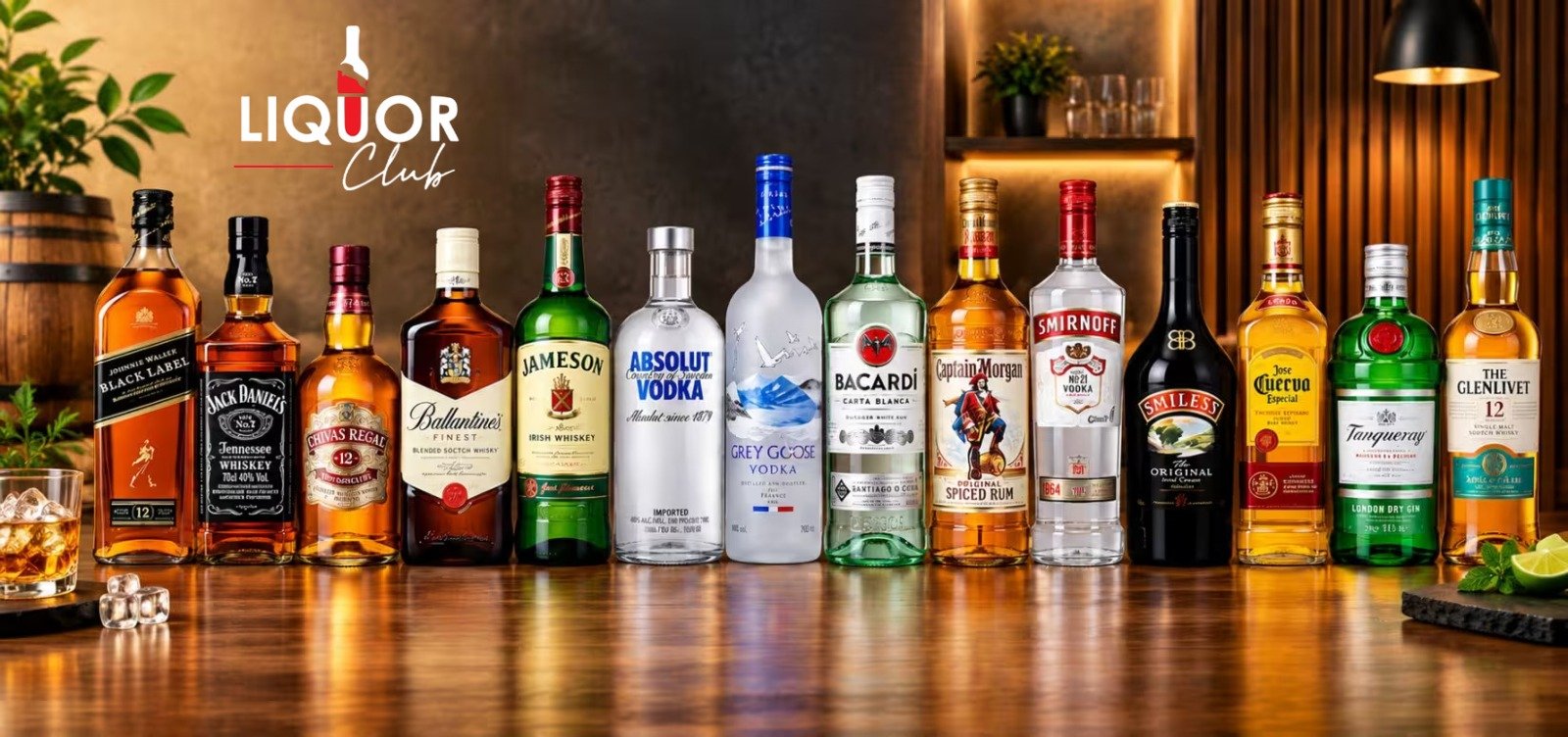
- Liquor Club stocks a curated range across all these categories, chosen for quality rather than volume.
Frequently Asked Questions
What’s the difference between Ruby and Tawny Port?
Ruby Port is aged in large barrels with minimal oxygen contact, which keeps the wine fruity and deeply coloured, think blackcurrant and plum. Tawny Port is aged in smaller barrels for longer, allowing gradual oxidation that develops nutty, caramel, and dried fruit notes and shifts the colour toward amber. Both have their place, but Tawny tends to be more complex in older expressions.
Is New Zealand Champagne a thing?
No. Champagne is protected by law and can only come from the Champagne region of France. New Zealand produces excellent sparkling wines, but they’re labelled as methode traditionelle or simply sparkling wine. They can be outstanding, but they’re a different product.
Where should a beginner start with premium spirits?
Start with a category you’re already drawn to, whether that’s whisky, gin, or something else entirely, then move up one level from what you usually buy. The difference is usually noticeable immediately, which makes the learning process genuinely enjoyable rather than academic.
Does vintage matter when buying wine as a gift?
For most wines under ten years old, vintage matters less than producer and region. What matters more is choosing a wine from a producer who has a consistent track record. If you’re buying something specifically to cellar for several years, vintage does start to matter more, particularly for reds from cooler climates like Central Otago.
Liquor Club stocks New Zealands finest wines, spirits and cocktail ingredients. Browse our full range and enjoy quick delivery. Shop online at https://liquorclub.co.nz or call 09 5900300.