Grape Days 2026 marks the return of New Zealand’s most serious conversation about wine—a series of technical masterclasses and tasting seminars designed for people who want to understand what’s actually in their glass. Whether you’re a curious beginner or someone who’s been collecting for years, these events strip away the pretence and focus on what matters: flavour, terroir, winemaking technique, and the story behind each bottle.
If you’ve ever wondered why one Pinot Noir costs twice as much as another, or what “malolactic fermentation” actually changes about a wine, Grape Days 2026 is where those questions get answered by the people who make these wines. It’s also where you’ll discover your next favourite bottle—and perhaps find some unexpected gems to stock at home.
What to Expect from the 2026 Programme
Grape Days events aren’t marketing exercises dressed up as education. Each session focuses on a specific technical aspect of winemaking or tasting methodology, led by winemakers, viticulturists, and sommeliers who actually know their subject. You might attend a masterclass on how oak influence shapes Cabernet Sauvignon, or a deep dive into how vintage variation affects Sauvignon Blanc expression—particularly relevant when you’re comparing the subtle differences in New Zealand’s most famous export.
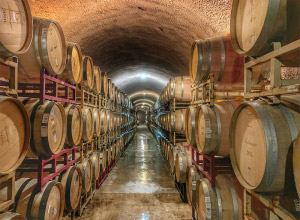
Sessions typically include tasting flights paired with real working notes. You’ll learn what to look for: colour intensity, tannin structure, acidity balance, and how these elements develop as a wine ages. The format encourages questions and conversation, rather than passive listening. Most events run between two and four hours, with breaks for note-taking and discussion. Some are held at venues across Auckland, Wellington, and Christchurch, while others are hosted at winery sites—which means you’ll taste wine in the context of where it was made.
Recent programme highlights have included sessions on Shiraz production across different New Zealand regions, the impact of harvest timing on flavour profiles, and comparative tastings of the same varietal from multiple producers. If you’re serious about understanding premium wines—whether you’re building a collection or simply want to drink with more intentionality—these are the events that deliver substance.
Tasting Along: Building Your Home Collection
One of the best aspects of technical wine events is the opportunity to taste before you commit to a bottle. That said, Grape Days events often feature wines you can actually obtain, which means you can explore further at home. This is where building a thoughtful collection becomes achievable—and genuinely enjoyable.
Consider starting with wines that represent key styles and price points. A bottle like Shingle Peak Res P/Gris (~$15) offers excellent value if you want to understand Pinot Gris expression without spending heavily, while something like Cloudy Bay Pinot Noir (~$60) represents a step up in complexity and age-worthiness. These aren’t casual purchases—they’re learning tools. Taste them alongside notes from the Grape Days sessions, and you’ll start recognising patterns: how cooler-climate sites affect Pinot structure, how winemaking choices influence the final product.
For those exploring Cabernet-based wines, Yalumba The Cigar Cab Sauv (~$38) offers a masterclass in how old-vine fruit and careful oak handling can create depth and balance. If you’re interested in fortified wines, Taylors 20YO Port (~$125) represents the kind of serious investment that makes sense once you understand what age and oxidation contribute to complexity.
How Technical Knowledge Changes Your Drinking
Here’s the honest truth: understanding wine technique doesn’t make cheaper wines taste better through sheer psychology. But it does change how you engage with what you’re drinking. When you know why a winemaker chose to harvest at a specific brix level, or understand the chemistry behind malolactic fermentation, you’re no longer just tasting—you’re reading the decisions embedded in the bottle.
This matters practically too. Technical knowledge helps you predict which wines will age well in your collection, which will drink beautifully now, and which might surprise you in five years. It helps you choose wines that suit your actual preferences rather than following reputation. And it makes wine conversation—whether at dinner or online—considerably more interesting.
Grape Days 2026 sessions also often include Q&A time with producers, which is where the real education happens. You can ask why a particular vintage of Grant Burge Balthasar Shiraz (~$34) shows different structure than the vintage before it, or understand the specific vineyard decisions that shaped a particular release.
Key Takeaways
- Grape Days 2026 offers technical masterclasses led by actual winemakers and viticulturists—not marketing professionals
- Events focus on practical tasting skills, winemaking technique, and terroir expression across multiple sessions throughout the year
- Sessions are designed for adults aged 18+ at all experience levels, from curious beginners to serious collectors
- Building a home collection alongside attending events deepens your learning and makes tasting notes genuinely useful
- Technical knowledge changes how you choose and enjoy wine, making each bottle a more intentional decision
Frequently Asked Questions
Do I need wine experience to attend Grape Days events?
No. Events are explicitly designed to be accessible to anyone aged 18+ who’s curious about how wine actually works. You don’t need to know the difference between malolactic fermentation and regular fermentation before you arrive—that’s literally what the sessions teach. Beginners often ask the best questions.
Can I buy the wines tasted at Grape Days events?
Yes, usually. Most sessions feature wines that are currently available through retailers like Liquor Club, so you can explore further at home after attending. This is part of what makes the events practical rather than purely theoretical—you’re not just learning about abstract concepts, you’re tasting real bottles you can actually obtain.
What’s the difference between Grape Days and regular wine tasting events?
Technical wine events prioritise depth over breadth. Instead of tasting 20 wines quickly, you might taste four wines over two hours, with significant time dedicated to understanding why each wine tastes the way it does: vineyard decisions, harvest timing, winemaking choices, aging potential. The focus is on education and technique rather than social drinking or sales.
How should I prepare for my first Grape Days session?
Bring a notebook and something to write with—many attendees take detailed tasting notes, which become genuinely useful for reference later. Avoid strong perfume or aftershave, which interferes with your ability to smell the wines. Most importantly, show up with curiosity and genuine questions. These events work because the conversation is real.